
Search Bristol Genealogy Records
Bristol Genealogy research starts in Sullivan County, then moves into the city library and the music history collections that make Bristol so distinct. The city sits on the Tennessee-Virginia line, so family lines can cross state borders in a way that makes local research feel wider than one county. That is why Bristol Genealogy benefits from county records, local history shelves, and museum collections together. A family may show up in a county book, a city directory clue, or a museum archive note before the full line comes into view.
Bristol Quick Facts
Bristol Genealogy Sources
Sullivan County holds the core records for Bristol Genealogy. The city page is especially useful because the local library and the Birthplace of Country Music Museum point to records that sit outside the courthouse. Bristol Public Library holds a local history collection and serves both the Tennessee and Virginia side of the city. The museum adds 1927 Bristol Sessions archives and musician history material, which can help if your family crossed into music work, travel, or downtown business life. That gives Bristol Genealogy a mix of county, city, and cultural sources that is uncommon in a small border city.
State resources still matter. TSLA, TeVA, and FamilySearch Tennessee records can fill in broader family, county, and image searches when Bristol material is partial. That is especially useful on a border city page where families may appear in one state record and not the other.
Sullivan County Genealogy Link
The Sullivan County page is the next step once you have the city basics. Sullivan County records hold the legal frame for Bristol Genealogy, while the city sources give you local history, music context, and public library depth. That split matters when you need deeds, marriages, probate, or other county files after a city search turns up a household.
View Sullivan County Genealogy
Bristol Genealogy often becomes Sullivan County Genealogy as soon as you need the official county side of the record trail.
Bristol Public Library
The Bristol Public Library gives Bristol Genealogy a local history collection and a clear city starting point. Libraries are useful when you need a quick place to confirm a family, a school, a street, or a church. In a border city, that kind of clue can matter as much as a county book.
See the Sullivan County government image below, which links to the county source behind Bristol Genealogy and gives the city page a county-level anchor.
The county government source matters because Bristol Genealogy depends on Sullivan County records for the official trail.
See the Sullivan County TNGenWeb source below, which gives Bristol Genealogy a second county route and a useful guide to local names and places.
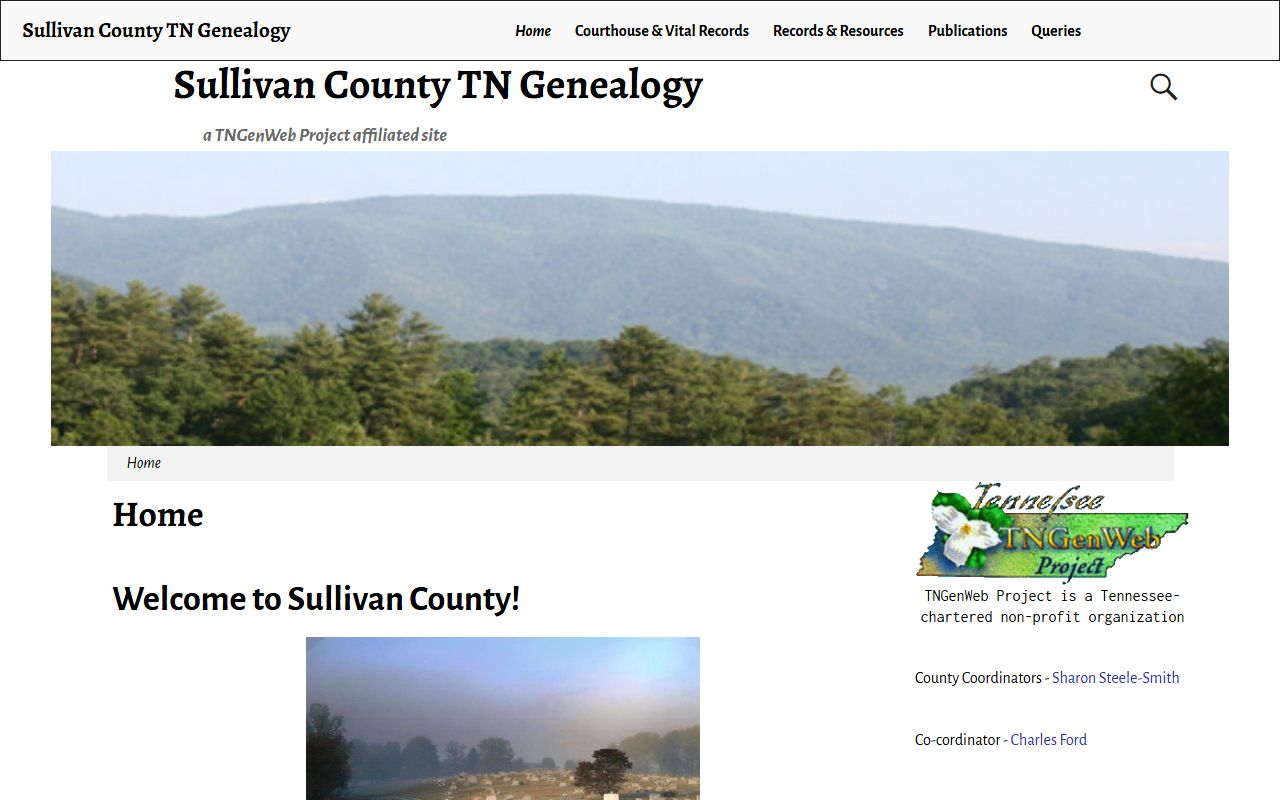
That volunteer guide is a good place to look when a surname needs cemetery, family, or locality context.
Bristol Genealogy Museum
The Birthplace of Country Music Museum adds a different kind of value to Bristol Genealogy. Its 1927 Bristol Sessions archives and musician histories can help place a family in the city economy and cultural life. That does not replace county records, but it does add depth when a family line touched music, tourism, retail, or downtown business.
Bristol Genealogy works well when you combine the museum with the library and the county page. The museum gives story. The county gives proof. The library gives a local bridge between the two.
Finding Bristol Genealogy Online
Online Bristol Genealogy research should move through the Bristol Public Library, Sullivan County records, TNGenWeb, TSLA, TeVA, and FamilySearch. That stack gives you the city, the county, and the state in one path. It also lets you check one source against another, which is often the fastest way to avoid a wrong line.
Sullivan County TNGenWeb gives the county guide, while Sullivan County Government gives the official record side. TSLA and TeVA give state support, and FamilySearch Tennessee records can surface indexes that confirm a family before you order a copy.
Because Bristol sits on a state line, it helps to search both the Tennessee and Virginia side of the family story. A town resident may show up in one place as a city worker, in another as a county parent, and in another as a music fan or traveler. The museum and the library help tie those clues together.