
Cheatham County Genealogy Records
Cheatham County genealogy research works well because the county kept a strong paper trail and reports no known courthouse disaster. That matters when you need a clean path from one clue to the next. Start with the county clerk, the register of deeds, the archives, and the local genealogy room in Ashland City. Then move into TSLA, TNGenWeb, and the state vital records office when you need older family links, a copy, or a fresh lead. Most searches begin with one name and one date. In Cheatham County, that is often enough to open the right book or file.
Cheatham County Genealogy Records
Cheatham County has a useful run of local records that starts in the mid-1800s and stays strong across land, probate, court, and family work. The county clerk and register of deeds sit at the center of that paper trail. When a line of descent is hard to prove, these books can give you the names, dates, and places that close the gap. If you are tracing a marriage, a deed swap, or an estate, the county record set is the first place to work.
The county research points to these core records. They are the best starting set for a family search in Cheatham County, and they also help you move from a known couple to older kin and land ties. The dates are useful because they show what is likely to survive at the courthouse and what may need a state or microfilm search instead.
- Marriage records from 1856
- Probate records from 1856
- Land records from 1856
- Court records from 1856
- Birth and death records from 1881
The TSLA microfilm notes are helpful when you want backup copies or when a clerk search stalls. TSLA lists deed indexes, marriages, wills, inventories, estate settlements, and WPA records for Cheatham County. That gives you a second route into the same family group. It also helps when you need a bond, a will, or a court minute that is not indexed on the shelf in Ashland City.
Cheatham County Offices and Archives
The county office map is compact, and that is a real advantage for Cheatham County genealogy. The Cheatham County Clerk, the register of deeds, the county archives, and the Cheatham County Historical and Genealogical Association are all in or near Ashland City. That makes it easier to move from one clue to the next without losing time. It also means a family search can grow by layers, from a marriage book to land, probate, or court records.
The county government site at Cheatham County Government is worth a look when you need office contact details or a local starting point. The Cheatham County Archives, part of the public library system, gives you a more focused Cheatham County genealogy search path. The Cheatham County Historical and Genealogical Association adds a second layer of help, especially if you are tracing church ties, cemetery clues, or a line that moved into the county before modern records became common. Cheatham County genealogy is strongest when those local sources work together. Cheatham County also has an image trail that helps guide the eye before you even open a book, and the county government site often points users toward office services and record access.
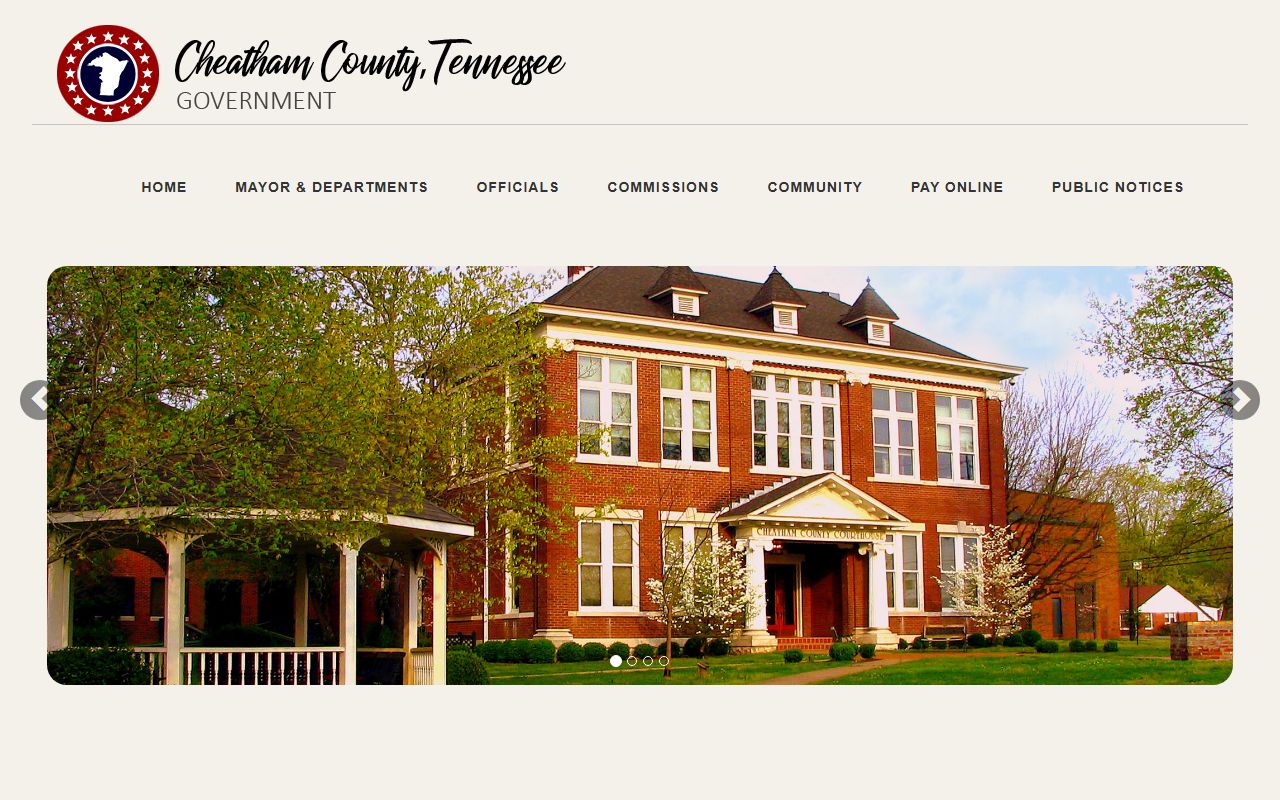
That local entry point is useful when you need the county office path first and the family line second. The Cheatham County TNGenWeb page at Cheatham County TNGenWeb is another strong lead source for Cheatham County genealogy. It points to marriage records from 1856 to 1938, wills, inventories, estate settlements, WPA county court minutes, Bible records, tombstone notes, and cemetery transcripts. Those are the kinds of details that turn a name into a family group.
That page is especially useful for cemetery work and for families that show up in old county records with no easy modern index. The Cheatham County TNGS data page at Cheatham County TNGS Data adds another path for local research and keeps the Cheatham County genealogy search moving.
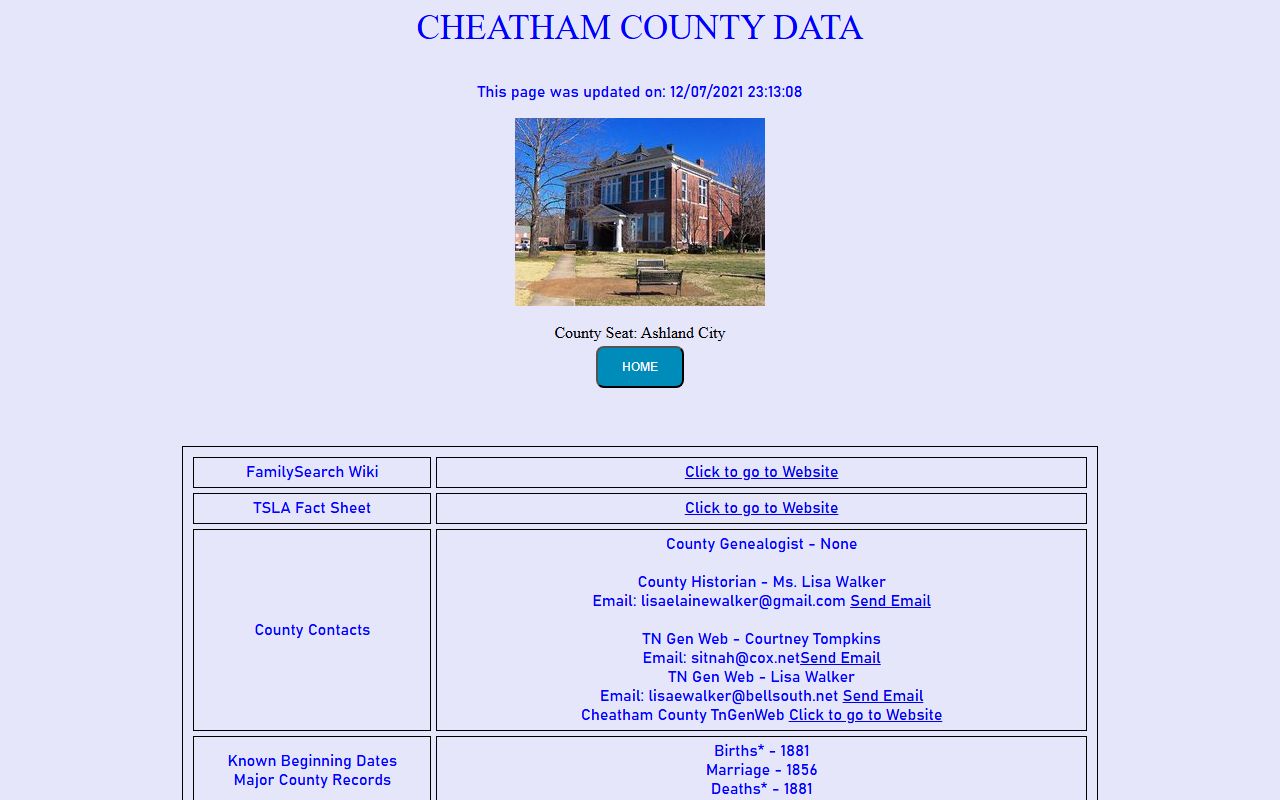
That source is helpful when you want a wider family context and a place to check names against other Tennessee lines. The more you compare them, the faster you can spot the same surnames, the same land hints, and the same family moves across the years.
Cheatham County Genealogy Images
Images help set the local map in your head. They also point you to the right page before you start a deeper Cheatham County genealogy search. For Cheatham County, the local images line up with county government, TNGenWeb, and Tennessee Genealogical Society resources, so you can move from a broad county search to a family-specific hunt without guessing where to look next. When you are ready to work from home, the Cheatham County TNGenWeb page is a fast way to review local clues, then compare them with county office records and the state collections that back them up.
Use the image below as a cue to check family names, cemetery notes, and any county history that might explain why your line settled in Cheatham County genealogy records. The county government image sits well beside the archive work, since both lead you toward office contact points and local services.
The local genealogy room at the Cheatham County Public Library is also part of the county story. Its Ira T. Sanders Genealogy Room gives you microfilm and reference material that can save a trip if you need a quick surname check.
Searching Tennessee Genealogy Sources
Cheatham County research gets stronger when you bring in the state collections. TSLA is the main backstop for many Tennessee family lines, and it is especially useful when you need microfilm, newspaper indexes, or older county materials that have been copied for state use. The Tennessee Virtual Archive can also help when you want digitized records, newspapers, or images that point to the same families from another angle.
State resources matter even more when you need a clean civil record. The Tennessee Office of Vital Records keeps birth, death, marriage, and divorce records for the modern era. FamilySearch provides another searchable layer for Tennessee records, while the Tennessee Genealogical Society offers broad research support and county context. These sources work best when you already have a name, a rough date, and a county guess.
Useful Tennessee links for this search path include TSLA, TeVA, Tennessee Office of Vital Records, TNGenWeb, FamilySearch Tennessee, and Tennessee Genealogical Society. Each one supports a different part of the search. TSLA and TeVA are best for deep historical work. Vital Records is better for modern certified copies. TNGenWeb and FamilySearch help you widen the net when a county book does not answer the question fast enough.
If you are working a Cheatham County line that begins in the 1800s, it is smart to start local and then fan out. Use the county clerk for the hard copy, the archive for local context, and TSLA for any older trail that needs backup. That sequence saves time and keeps the search clean.
Plan a Cheatham County Visit
In-person work still matters in Cheatham County. The clerk office, register of deeds, archives, and public library all give you a different angle on the same family name. Most researchers do best when they call ahead, bring a short list of names, and note the date range they want to check. That keeps the visit focused. It also helps the staff move faster when they know you are looking for a marriage, probate, deed, or court clue rather than a broad family history survey.
The county clerk is at 354 Frey Street, Suite F, in Ashland City. The register of deeds is at the same address. The archives are at 188 John Mayfield Drive, and the public library is at 188 County Services Drive, Suite 200. Those places sit close enough together that a careful researcher can make one trip and cover a lot of ground. If you need a place to start, begin with the marriage books and land books. Those two record sets often point to the right couple, the right home place, and the right next record.
Before you go, write down the surname, the approximate year, and the type of record you want. If the line is old, add cemetery notes, probate names, and the name of a known child. That small list can save a full search day in Cheatham County.
- Name of the person or couple
- Approximate year or decade
- Record type, such as deed, marriage, or probate
- Any known spouse, child, or parent name
- Town, district, or cemetery clue
Note: Cheatham County is one of the better Tennessee counties for a paper trail, so do not skip local offices before you move to state holdings.